




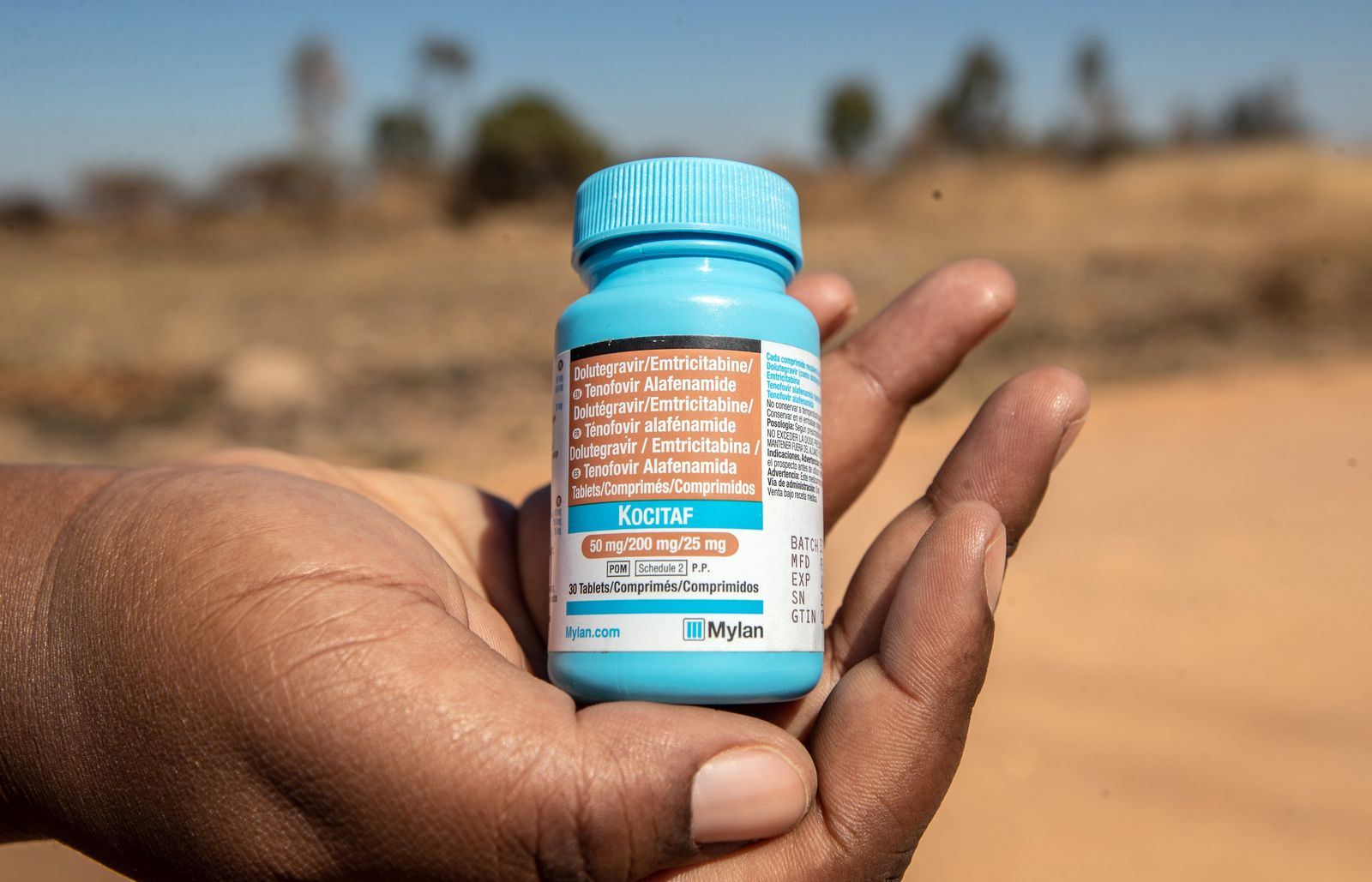


Some Zimbabwean chicken farmers are reportedly buying antiretroviral drugs (ARVs), intended for HIV patients, on the black market to mix into chicken feed, believing the drugs protect their stock from disease and act as growth stimulants.
Farmers believe that feeding ARVs to chickens means fewer deaths and a quicker turnaround for slaughter, but the practice is unlawful and harmful to unsuspecting consumers.
The Southern Africa Accountability Journalism Project (SA AJP) interviewed two people operating on the frontlines of broiler chicken farming in the Harare area, both of whom shed light on the practice.
One of the farmers, Jane (not her real name), who rears broilers in Waterfalls, Harare, agreed to be interviewed at her farm on condition of anonymity because she was admitting to doing something illegal.
She admitted that she covertly mixes ARVs, illegally bought from a health worker at a local hospital, into feed for her chickens.
“I get my monthly supply from the health official who has a network of peddlers who handle the business on his behalf,” she said.
“My first interaction with the official was when a fellow farmer introduced me to him. I paid a deposit to show that I was serious about purchasing from him.
“He then directed me to his peddler found at Copacabana, a local bus terminus in the Harare CBD, who requested a code which I supplied, and I was given my stash of ARVs.”
She said drug peddlers often use coded words or phrases when communicating with their buyers.
The codes can be random names, letters or numbers which are relayed at drug collection points and they are frequently changed to avoid detection.
Jane explained that it was not, at first, the desire to stimulate unnatural growth in her chickens that led her to consider ARVs.
She said that she merely wanted to bring down the rate at which her stock was dying from common poultry diseases.
“Mortality was eating my profits,” she said. “Newcastle disease would sweep through, and I was losing half my birds in some cycles. There was no money left for school fees.”
After hearing about her challenges at a poultry workshop held in Harare, a fellow poultry farmer came to her farm in Waterfalls. For a fee of US$100 paid in two instalments, this confidant offered to help.
What she offered was TLD, a combination of antiretroviral drugs consisting of tenofovir disoproxil fumarate, lamivudine and dolutegravir. It is a once-daily fixed-dose tablet recommended for adults and adolescents, according to Zvandiri, an HIV support programme.
In Zimbabwe, this triple-therapy regimen is the preferred first-line treatment for adults and adolescents living with HIV.
She began mixing the crushed tablets into her chickens’ feed and water.
“The mortality rate plummeted, and my broiler chickens grew faster. I have since expanded my operation from 200 to 10,000 birds per cycle (over about two years). And, instead of waiting six weeks, I could sell them (for slaughter) at just four weeks,” she added.
Feeding chickens ARVs is prohibited and poses a risk to consumers. According to Daniel Zulu, former head of the Toxicology and Clinical Department at the Government Analyst Laboratory who now runs a pharmacy, the practice is harmful to people who eat the meat. He warned that repeated exposure to ARV residues could be risky for people living with HIV.
More: Daily Maverick






Leave a Reply Cancel reply