




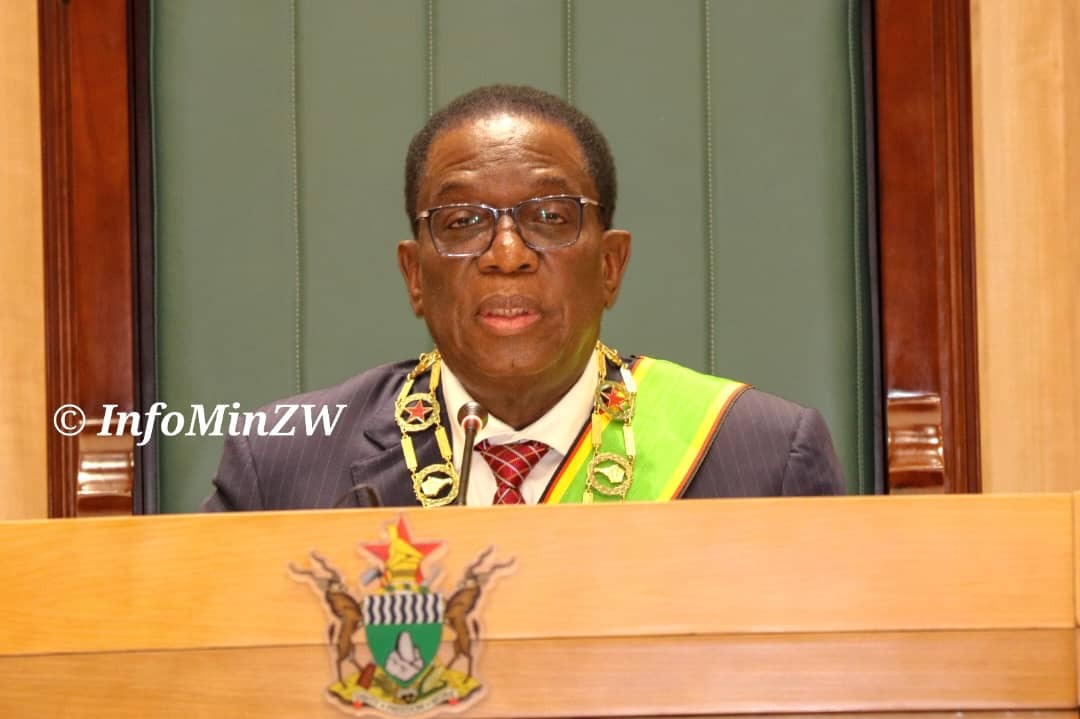


Zimbabwe’s presidential and parliamentary terms will increase from five to seven years after President Emmerson Mnangagwa signed the Constitution Amendment Bill No. 3 into law. The Act was published in the Government Gazette on Tuesday, 7 July, and is now in force.
The Constitutional Amendment Act introduces some of the most far-reaching changes to the 2013 Constitution since its adoption.
The Bill passed both Houses of Parliament, with the National Assembly approving the final amendments last week. Its gazetting followed the President’s assent, bringing the sweeping reforms into effect immediately.
Among the most significant changes, the President will no longer be elected by direct public vote. Instead, Parliament will elect the Head of State.
Section 95 and Section 143 of the Constitution now fix the term of office for the President, Vice-Presidents, Senators and Members of the National Assembly at seven years.
Section 158 has been amended so that general elections must be held 30 days before the expiry of the seven-year term.
The Act reshapes key institutions. The Senate will expand from 80 to 90 members, with the President empowered to appoint 10 additional senators “chosen for their professional skills and other competencies after consultation with the National Assembly”.
A new office of Judge President of the Supreme Court has been created, and the Supreme Court may now hear appeals involving important points of law if it grants leave to appeal.
Judicial appointments will also change. Public interviews for prospective judges have been scrapped. The Chief Justice, Deputy Chief Justice and all judges will now be appointed by the President “after consultation with the Judicial Service Commission”. In addition, the Attorney-General must now meet the qualifications of a Supreme Court judge.
Electoral administration is set to change significantly. The Zimbabwe Electoral Commission loses its powers over voter registration, which will move to the Registrar-General.
A new Delimitation Commission, appointed by the President and chaired by a Supreme Court judge or person qualified as such, will take over the delimitation of constituencies and wards. Its members must include experts in demography and cartography, a governance specialist, and a representative of the National Chiefs Council.
Other notable reforms include the repeal of Part 6 of Chapter 12, abolishing the National Peace and Reconciliation Commission.
The functions of the Defence Forces have been restated, with an emphasis on protecting Zimbabwe, its people, national security, interests, territorial integrity and the Constitution.
On presidential succession, the Act provides that if the President dies, resigns or is removed from office, a Vice-President will act as President until Parliament elects a replacement within 30 days.
Parliament’s first sitting after an election must occur within 14 days of the result being declared, with the Clerk of Parliament presiding until a Speaker or President of the Senate is elected.
The changes have already drawn intense debate. Supporters argue they will stabilise governance and streamline institutions. Critics warn they will reduce public participation in choosing the President and concentrate power in Parliament.
The Constitutional Amendment Act is now in force.







Leave a Reply Cancel reply