




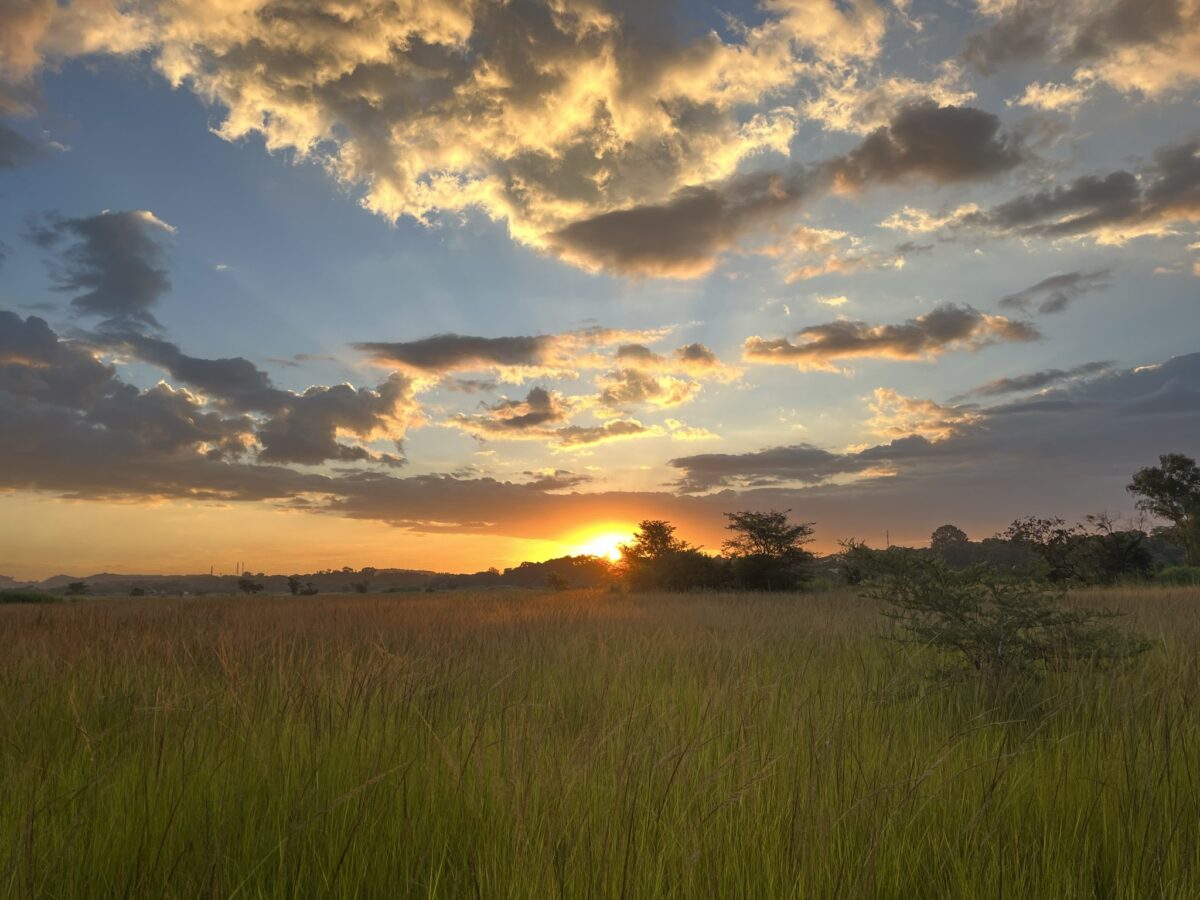


Local Government and Public Works Minister Daniel Garwe has ordered a group of Members of Parliament to vacate Monavale Wetland in Harare after they moved construction equipment onto the site with plans to build houses.
Monavale Wetland, also known as Monavale Vlei, was designated a Ramsar Site in 2013 and covers an area of 507 hectares.
A Ramsar site is a wetland that has been designated by a country as being of international importance, meaning it has a legal obligation to protect it.
A standoff between the MPs and environmental activists escalated on Saturday when campaigners stood in front of graders to prevent land-clearing activities from taking place.
Energy Mutodi, who led the group of nearly two dozen MPs, admitted defeat on Tuesday after Garwe ordered them to leave the protected wetland.
“I had a meeting with the Speaker of Parliament and also with the minister of local government, and we were advised to stop any developments on that site,” Mutodi said.
“The current status is that there is not going to be any development for Member of Parliament [residential] stands at that site. Everything has been stopped.
“I’m sure there is going to be an alternative land that is going to be allocated to these MPs.”
Mutodi said the MPs had accepted the position that was presented to them and had agreed to comply with the directive.
“We have been given the facts, we are now well aware that this land is a no-go area,” he said.
“The equipment has been removed from the site – there is not going to be any development of any nature because of the issues that have been raised by the environmental agencies and so on.”
Doug Coltart, a lawyer representing the environmental activists, hailed the outcome as a major victory for the public.
For Harare Water, Monavale is not merely a scenic area but a natural pre-treatment system. The wetland filters out heavy metals and pathogens before water seeps into the underlying Cleveland Dam catchment. If it is lost, the utility would face higher turbidity levels, increased costs for alum and chlorine treatment, and faster clogging of filtration systems.
The 507-hectare wetland supports a wide range of biodiversity, including grassland birds, amphibians and mammals. BirdLife Zimbabwe says species such as Striped Crakes, Streaky-breasted Flufftails, Broad-tailed Warblers and Dwarf Bitterns are commonly recorded on the wetland between December and April.





Leave a Reply Cancel reply