




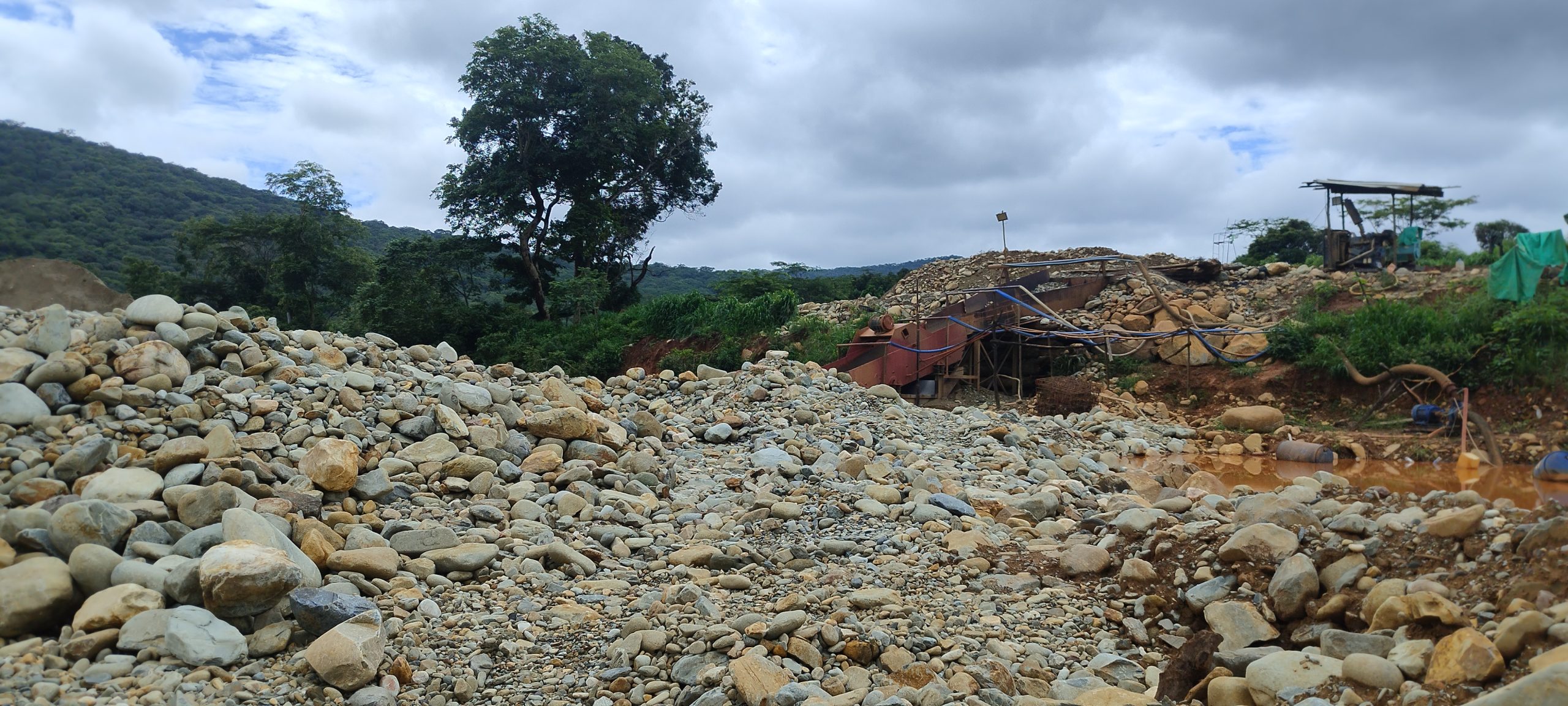


Chinese nationals accused of damaging parts of the Haroni River through illegal riverbed mining have fled their camp in the Rusitu Valley, leaving it empty after local media reports exposed their activities.
Only wooden cabins and the perimeter fence remain. Heavy machinery, trucks and excavators previously seen at the site have been removed from the contested area.
James Tables were left on the banks of the Haroni River, and the last truck departed on 15 May.
The Chinese nationals were reportedly protected by the traditional leader, Chief Peter Ngorima, at the behest of senior officials he refused to name.
Homes and arable land covering more than 500 hectares had been earmarked for seizure. Families who claimed to have occupied the land for over 300 years were told they would be relocated to Gokwe district, a dry part of Midlands Province.
Statutory Instrument 91 of 2026, promulgated last week in response to widespread land degradation and the disregard of previous bans on riverbed and riverbank mining, has given the more than 3,500 affected families hope that their pleas have been heard.
Godfrey Hlabiso, a teacher at Hlabiso Primary School who has led efforts to protect the Haroni River and his ancestral home for more than a year, confirmed the departure of the Chinese.
“All of their huge trucks have since been removed from the camp, and only their cabins have been left behind,” said Hlabiso.
“We are happy as a community about this development and hope the James Tables left behind along the banks of the Haroni River will be removed.”
Last week, President Emmerson Mnangagwa declared a state of national disaster for 17 major rivers, including the Haroni River, affected by siltation and mining, paving the way for rehabilitation work to restore damaged ecosystems.
More: NewZimbabwe.com





Leave a Reply Cancel reply