





Harare-based preacher Walter Magaya, who faces rape allegations, has applied to have his case referred to the Constitutional Court. He claims the prosecution is acting unlawfully and attempting to proceed to trial using “fabricated” evidence.
His defence lawyers, Admire Rubaya and Everson Chatambudza, allege they have uncovered a plot by the prosecution to secure a conviction at all costs rather than pursue justice. They claim the investigating officer and prosecutor, Tendai Shonhayi, altered the original statement of an Ireland-based witness because it failed to explain how the alleged rape was committed.
The defence also questioned the state’s insistence on going to trial despite one of the complainants withdrawing her charges. They argued that forcing a trial under these circumstances compromises the integrity of the legal system and entangles criminal justice in moral “defilement”.
However, the state has dismissed Magaya’s application as “frivolous and vexatious,” arguing it is simply a delaying tactic with no constitutional merit.
Appearing for the state on Friday, Chief Director Clemence Chimbari, assisted by Shonhayi, argued that the Prosecutor General operates independently and holds the sole right to decide who to prosecute. They maintained that the issues raised by Magaya could be addressed during the trial itself, providing ample ground for cross-examination.
Rubaya hit back, countering that the Prosecutor General’s independence does not place the office above the law, and that any aggrieved party has the right to seek a legal remedy.
The defence team argued that a rape prosecution relies on three essential pillars: the complainant, the first person told of the assault, and a medical affidavit. They maintained that proceeding without these elements is unconstitutional and violates prosecutorial guidelines, which strictly forbid prosecuting a case without sufficient evidence.
Rubaya added that the complainant’s withdrawal cannot be ignored, as it leaves the state with insufficient evidence to sustain a trial.
Furthermore, the defence argued that because there are no medical affidavits to support the allegations, forcing a trial would be an exercise in futility, an abuse of the court process, and a violation of Magaya’s fundamental rights.
“A complaint of rape originates from a complainant, while a charge originates from the State. Yet a charge cannot exist in a vacuum; it is founded upon the complaint,” said Rubaya.
“Without the complaint, the charge collapses. While the State enjoys the prerogative to prosecute, it cannot lawfully proceed when it has lost both the complaint and its sole witness.
“To do so is not an exercise of lawful authority but a hollow performance masquerading in the name of the law.”
The defence argued that proceeding to trial was futile given that the alleged victim had withdrawn her support for the prosecution.
Furthermore, the lawyers alleged that the state is withholding medical evidence and refusing to provide Magaya with the results of a DNA test that authorities “forcibly” took from him while he was in custody.
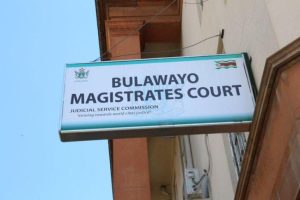
Magistrate Francis Mapfumo is expected to rule on the application on 29 May.
More: The Sunday Mail





Leave a Reply Cancel reply