






The Government has approved a sweeping overhaul of licences, permits and fees in the mining sector, saying the reforms will cut the cost of doing business and sharpen Zimbabwe’s competitive edge.
Speaking after Tuesday’s Cabinet meeting in Harare, acting Information, Publicity and Broadcasting Services Minister Mangaliso Ndlovu said the changes are designed to simplify regulation and root out inefficiencies that have long hampered mining operations.
The measures, tabled by Finance Minister Mthuli Ncube, flow from a 2025 Cabinet resolution to roll out business-friendly reforms across key sectors of the economy.
Under the new framework, overlapping licences will be consolidated under a single regulatory authority. Some levies have been scrapped altogether, while others have been trimmed. Officials stressed that more than 80% of existing fees were deemed appropriate and will remain untouched.
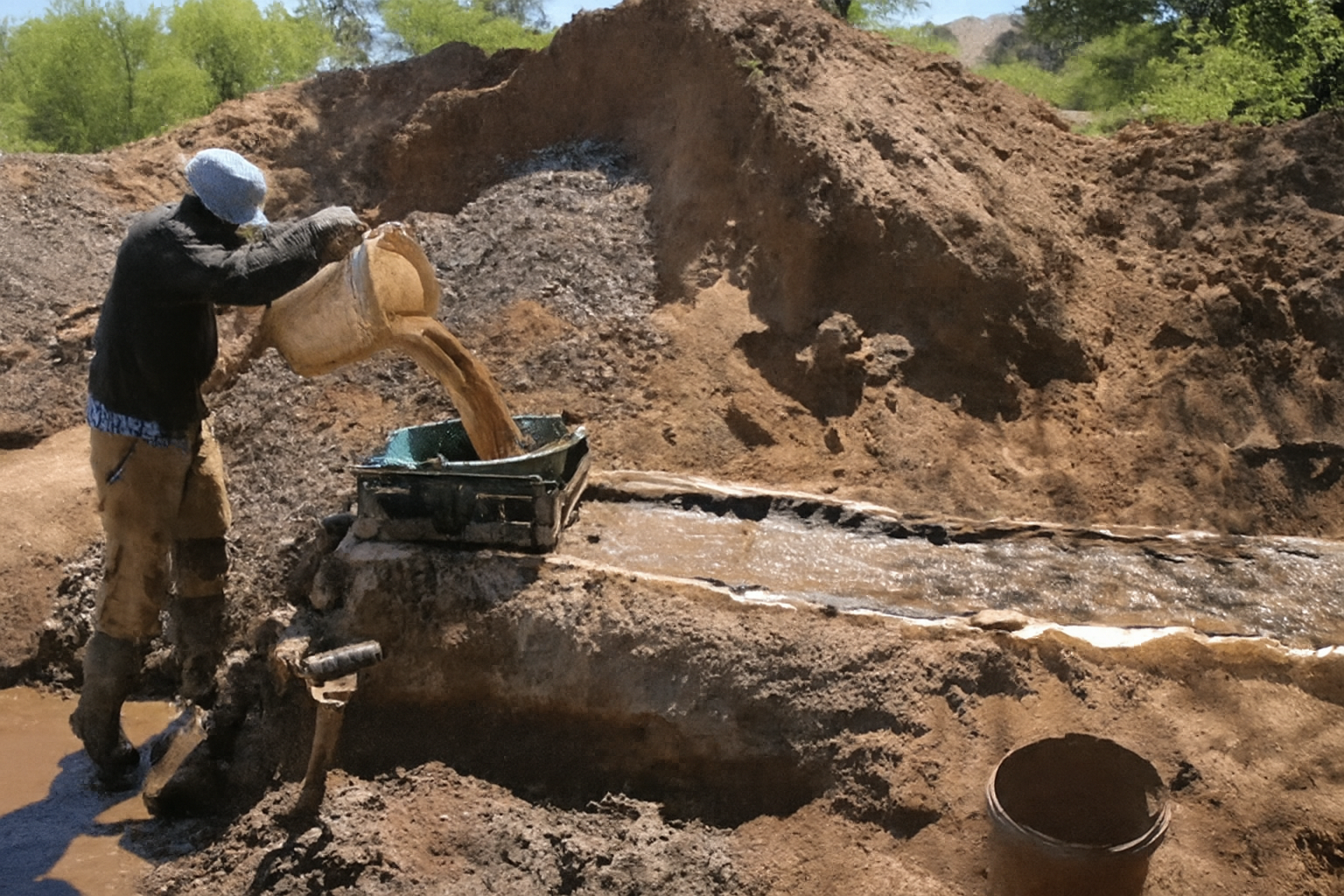
A tiered fee structure has also been introduced, ensuring artisanal and small-scale miners pay significantly less than their large-scale counterparts.
Among the headline changes: registration fees for dealing in precious stones will fall from US$15,000 to US$10,000, renewable every five years. Annual inspection fees for mining claims have been reduced, and the trading fee on mining locations has been scrapped.
Export permit fees for exploration samples have been cut sharply, from US$1,875 to US$500, while commissioning fees have been halved from US$700 to US$350.
The reforms also introduce a slate of new, lower-cost charges. A gold jewellery manufacturing licence and an application to register a lithium processing plant will each cost US$100.
In a move to curb runaway local charges, the Government will standardise levies imposed by Rural District Councils, which have until now varied widely. Those charges will be capped at no more than half their current levels, with adjustments linked to employment and production.
Addressing concerns that the shake-up amounts to hidden taxation, Ncube was unequivocal. “Regulatory fees are paid before doing business, whereas taxes are paid after economic activity,” he said. “Taxes depend on profitability; fees apply regardless of whether a company makes a profit.”
He added that the reforms form part of broader efforts to ease doing business and lure investment.
Ndlovu said that the Cabinet also took note of other ongoing work in the sector, including a review of mining laws, the drafting of a new minerals policy, and the rollout of a digital system to manage mining rights more transparently.






Leave a Reply Cancel reply