






The remains of Peter Jack Masedza, also known as Johane Masowe, are set to be exhumed and reburied following a lengthy legal and administrative process.
Johane Masowe, who died in 1973, was buried at a site in Rusape that later became the principal shrine of the church he founded.
His biological sons, Magaga and Rueben Masedza, have long maintained that they should be allowed to rebury their father at a location they can access freely.
In a formal notice dated 25 March 2026, their lawyers informed the Gospel of God Church International that the exhumation is set to take place on 2 April 2026 at the Gandanzara Shrine in Makoni District, Rusape.
The church, however, maintains that the burial site was chosen by Masedza himself and has since become a sacred place for thousands of congregants.
In correspondence, Mushangwe and Company Legal Practitioners confirmed that all necessary administrative procedures have been followed and that a burial order has been secured.
The firm cited a High Court ruling under Case No. HCH1769/23, which granted the family permission to exhume the remains, a decision later upheld by the Supreme Court under Case No. SCI 12/25.
Further confirmation came from Provincial Registrar J Munamati, who, in a letter dated 10 March, said that the district registrar had been authorised to issue the burial order. Reads the letter in part:
“This office has no objection to the exhumation and subsequent reburial of the remains of the late Johane Masowe.”
In his letter, Munamati said the process must follow all the relevant legal and public health requirements.
Magaga, who has led the long-running legal fight, said their father deserves to rest where he belongs — among his own people and family.
Back in December 2025, the Supreme Court brought an end to a decades-long dispute over the burial of Johane Masowe.
It dismissed an appeal by the Gospel of God Church International and confirmed that his sons are entitled to pursue the legal process to exhume and rebury him.
However, the court made it clear that only Government authorities, not the courts, have the power to authorise an exhumation.
A key issue in the case was whether a burial site regarded as a shrine could be treated differently under the law.
The Supreme Court ruled that no burial place, shrine or otherwise, is exempt from the Cemeteries Act, and that anyone seeking an exhumation must follow the proper administrative procedures set out in the law.
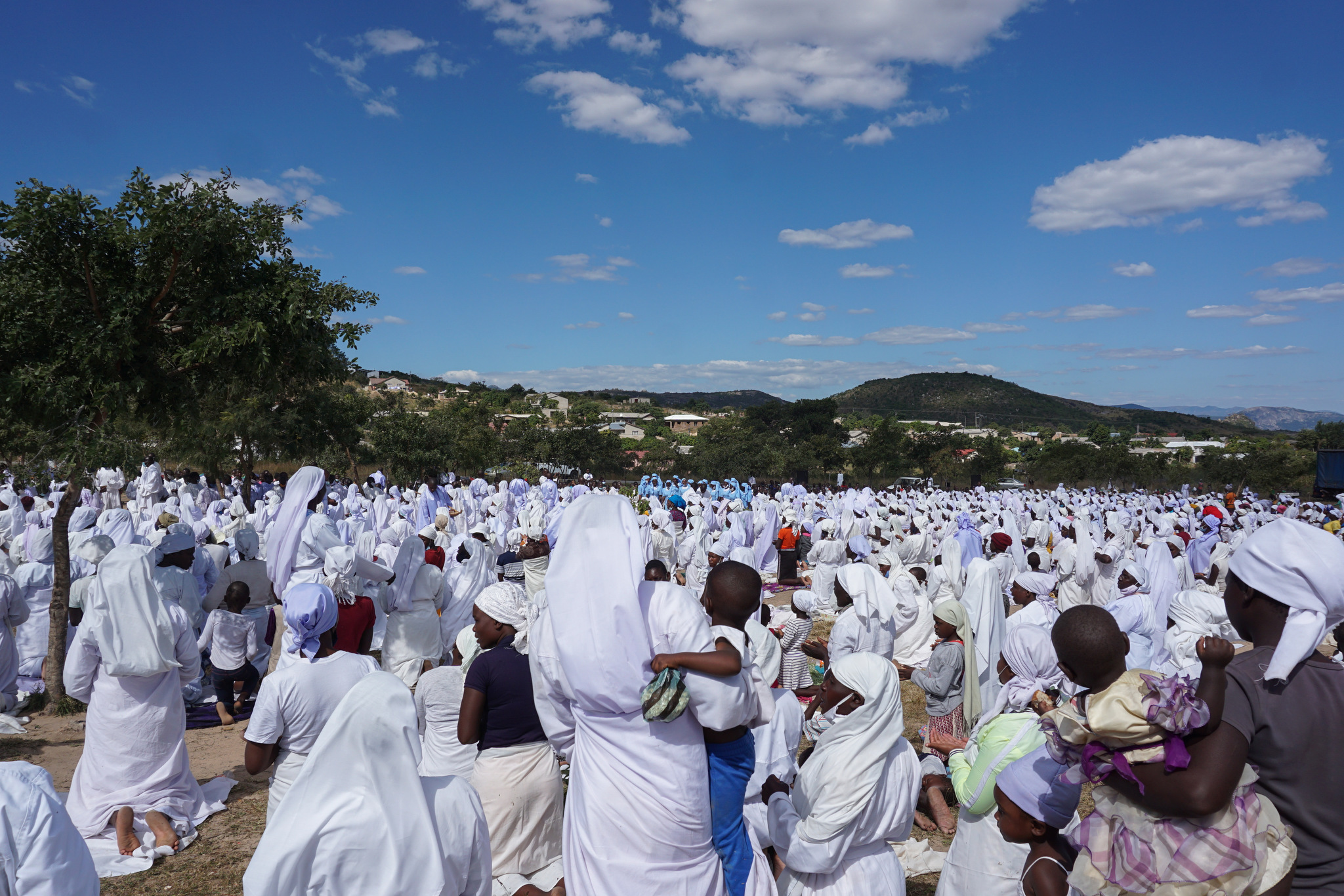
The Gandanzara Shrine in Makoni District has stood for more than 50 years as the spiritual “Mecca” of the Gospel of God Church International. Its importance is closely tied to the life and death of Johane Masowe.
Since he died in 1973, the shrine has drawn thousands of worshippers and remains the church’s main place of pilgrimage.
For many followers, it is far more than a burial site — it is a sacred space believed to hold the spirit of their founding prophet.
Annual gatherings at Gandanzara play a key role in the church’s life, bringing members together for worship, reflection, and renewal.
Johane Masowe is widely regarded as a major figure in Zimbabwe’s religious history. He led a movement that promoted self-reliance, African identity, and a break from colonial-era missionary traditions.
More: The Herald






Leave a Reply Cancel reply