






Debates surrounding proposed reforms to presidential tenure and electoral design in Zimbabwe have intensified, particularly in relation to potential amendments to Section 92 of the Constitution. While politically charged, the proposal itself is not institutionally unusual.
Across Africa, several countries including South Africa, Botswana, Mauritius, Ethiopia and Somalia elect their presidents through parliamentary processes rather than direct popular vote. In others, such as Angola, presidential authority emerges indirectly from parliamentary electoral outcomes.
Zimbabwe’s consideration of a similar model therefore aligns with existing constitutional practices on the continent rather than representing a structural anomaly.
Zimbabwe’s constitutional development has historically been shaped by periodic amendments, institutional restructuring, and referendums. The Lancaster House Constitution adopted at independence in 1980 underwent multiple amendments between 1980 and 1999, largely through parliamentary processes. A major institutional shift occurred in 1987 with the introduction of an executive presidency.
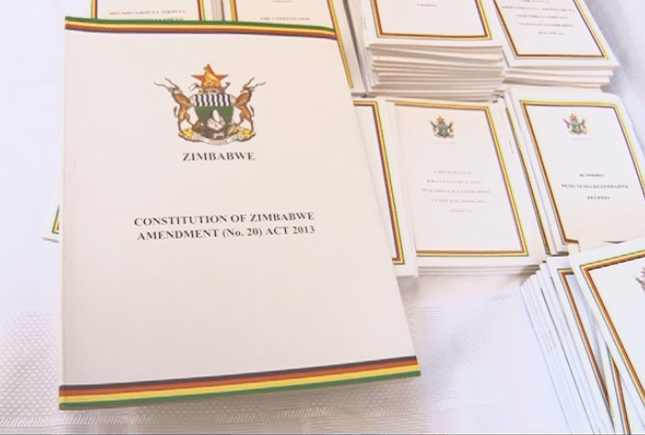
In 2000, a proposed constitution was rejected in a national referendum, while the 2013 Constitution approved through a referendum introduced presidential term limits, expanded rights protections and governance reforms. Since 2013, constitutional change has continued primarily through Parliament, including the passage of Constitutional Amendment No. 2 in 2021.
Amending the Constitution is not, in itself, illegal. Constitutional reform is a recognised democratic process. The central issue is procedural compliance and legitimacy.
Section 328 provides safeguards to the constitution. As such, debate should focus less on whether the Constitution can be amended and more on whether the process follows established legal requirements which are drafting, gazetting, public consultation, parliamentary approval and where necessary, a referendum.
The political terrain surrounding proposed amendments reveals clear asymmetries. The opposition faces structural constraints, particularly in Parliament. In the National Assembly, the ruling party, ZANU PF, holds close to 200 out of 280 seats and in the 80 members senate the ruling party maintains dominance through party-list seats, presidential appointees and support from traditional chiefs.
These figures reduce the opposition’s ability to block amendments requiring a two-thirds majority and shift the contest toward procedural challenges, public mobilisation and legal scrutiny.
For the ruling party, the same numbers present strategic opportunities. Parliamentary strength, established organisational networks and institutional access provide a pathway to advance constitutional reforms and shape public narratives around governance and stability. The debate therefore becomes less about legality and more about political arithmetic and institutional positioning.
In this case, the question before the Zimbabwe’s constitutional amendment is more political than the other way. The test isn’t just like any other periodic national elections, putting to test the popularity of the ruling party. If the changes succeed, it will be a political victory on the part of those that proposed it.
The article above was contributed by Mr Sixpence, a political scientist and international relations expert.







Leave a Reply Cancel reply