




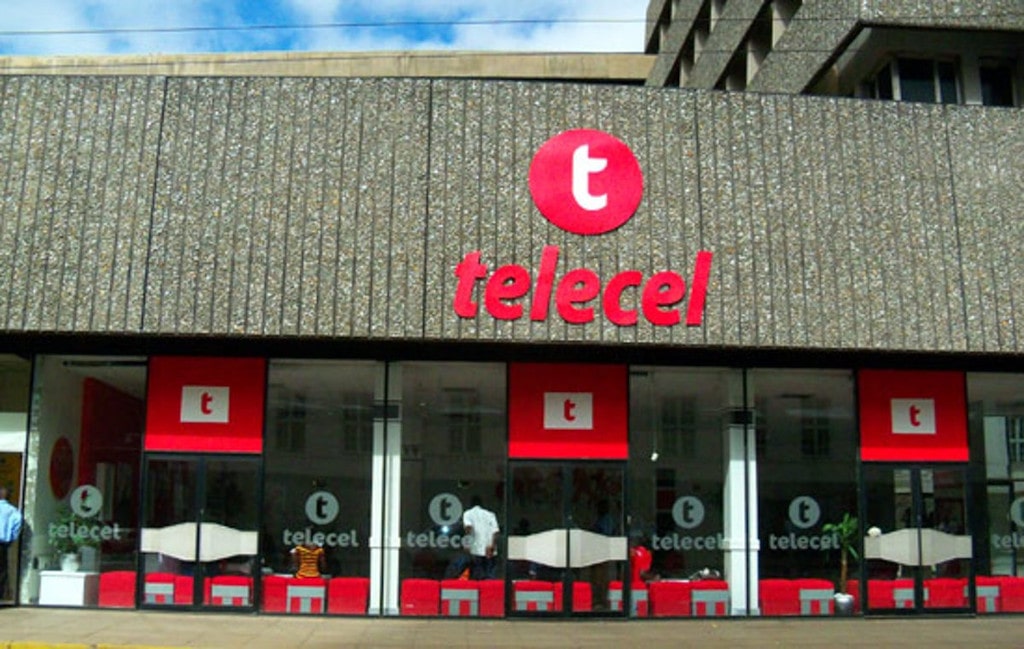


Once Zimbabwe’s second-largest mobile operator, Telecel Zimbabwe, has formally entered corporate rescue proceedings in a bid to salvage its operations after years of decline, shareholder disputes, and near-total market erosion.
In a notice filed with the Master of the High Court and the Registrar of Companies, Telecel’s board confirmed that the company was placed under voluntary corporate rescue on 27 October 2025, under Section 122 of the Insolvency Act [Chapter 6:07].
The board said that the move is “designed to rehabilitate the company and does not signify an intention to liquidate.”
Telecel was once a formidable player in Zimbabwe’s telecoms sector, competing with Econet and NetOne.
Today, however, its presence is minimal: the subscriber base stands at just 319,548 users, representing less than 2% of the market.
Voice traffic accounts for a mere 0.02%, compared to Econet’s 87.61% and NetOne’s 12.3%, while internet traffic makes up only 0.16% of national data usage.
Infrastructure is also lacking, with just 17 LTE base stations and zero 5G sites, in contrast to Econet’s 1,700+ LTE sites and growing 5G network.
The decline has been long in the making. Years of under-investment, compounded by shareholder disputes, stalled innovation and expansion.
Matters worsened when the government, through state-owned Zarnet, controversially acquired a 60% stake in the company, a move which, according to critics, politicised operations and deepened dysfunction.
As a result, network quality deteriorated, customer complaints surged, and the subscriber base shrank dramatically.
Telecel’s inability to compete technologically, particularly in the rollout of 4G and 5G services, left it trailing far behind rivals.
Corporate rescue is a legal mechanism that allows financially distressed companies to undergo supervised rehabilitation.
Under Zimbabwean law, it provides breathing space for restructuring, debt renegotiation, and operational overhaul, ideally avoiding liquidation.
Telecel’s board says the process will help “restore financial health and operational viability,” though no detailed turnaround plan has yet been made public.




Leave a Reply Cancel reply