






The Zimbabwean government has imposed an immediate ban on the importation and sale of second-hand clothing.
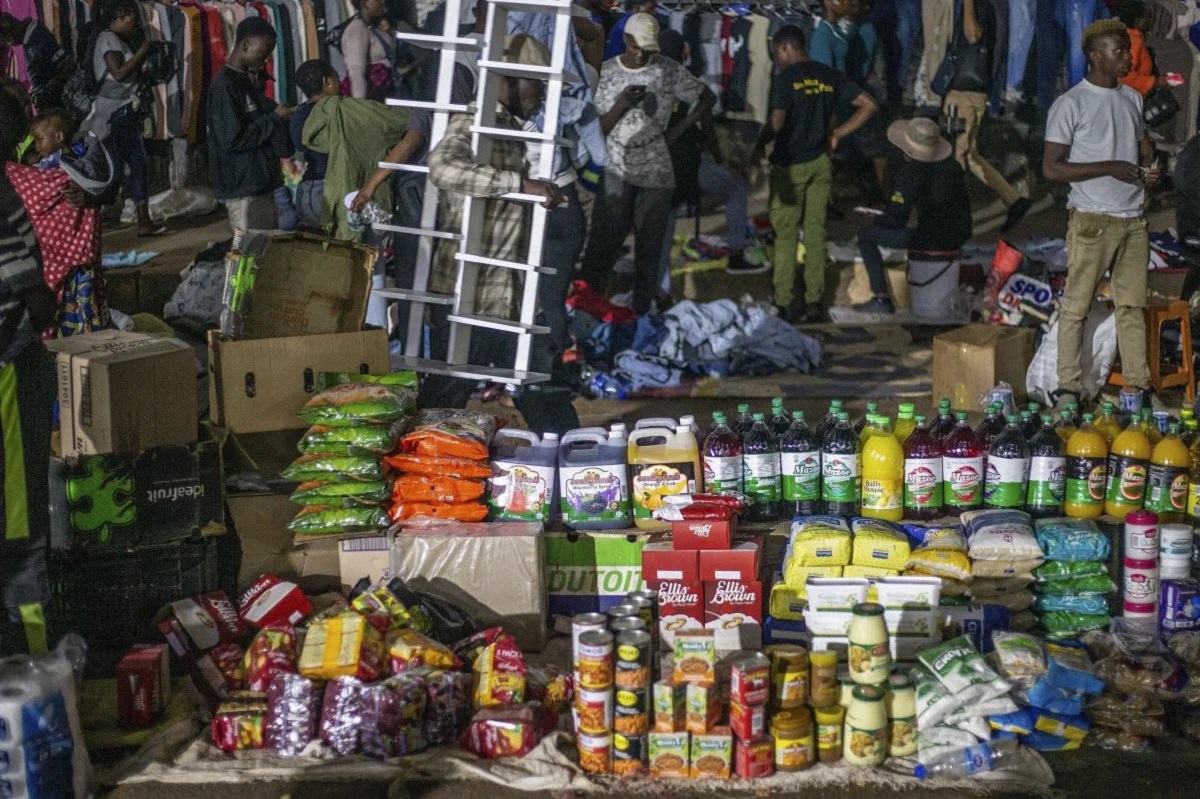
Local Government and Public Works Minister Daniel Garwe also announced an immediate ban on street vending and night-time vending activities in cities and towns across the country.
Garwe made the announcement on Monday, 04 August, during a meeting with Harare City Councillors at Town House. Said Garwe:
Let me take this opportunity to advice that the Government has banned the importation and selling of second hand clothing and consequently street and night vending activities are equally banned.
City of Harare is therefore directed to work with the law enforcement authorities in ensuring that there is no further street and night vending. The time to act is now, not later.
This is not the first time government has attempted to curb used clothing imports. A similar ban was introduced in 2015, but under pressure from vendors and informal traders, the government reversed the decision in 2017, replacing the prohibition with import duties.
Implementing the current ban may prove even more difficult, given the scale of the informal economy. According to the latest economic census by Zimstat, 76 percent of Zimbabwe’s economy operates informally, with 88 percent of workers in informal employment—many of them engaged in trade.
Despite the sweeping nature of the new measures, Garwe maintains that enforcement will not be aggressive. He said there is no need to harass anyone and urged authorities not to be heavy-handed with vendors.
Many Zimbabweans, particularly in urban areas like Harare, depend on selling second-hand clothes, street vending, and night-time trading as a primary means of survival due to rising unemployment and persistent economic hardship.
The market for “preloved” clothing has flourished, driven by affordability and variety. Shoppers can often find items like jeans for as little as US$2, making second-hand apparel an attractive alternative to costly retail goods.
Street vending is widespread across cities, with thousands of vendors selling everything from fresh produce to clothing and household items. For many, it is the only available livelihood.
Night vending, in particular, has grown in popularity as traders take advantage of reduced municipal enforcement after working hours.
For some, it offers a safer window to operate without the threat of raids or confiscations by authorities.






Leave a Reply Cancel reply