




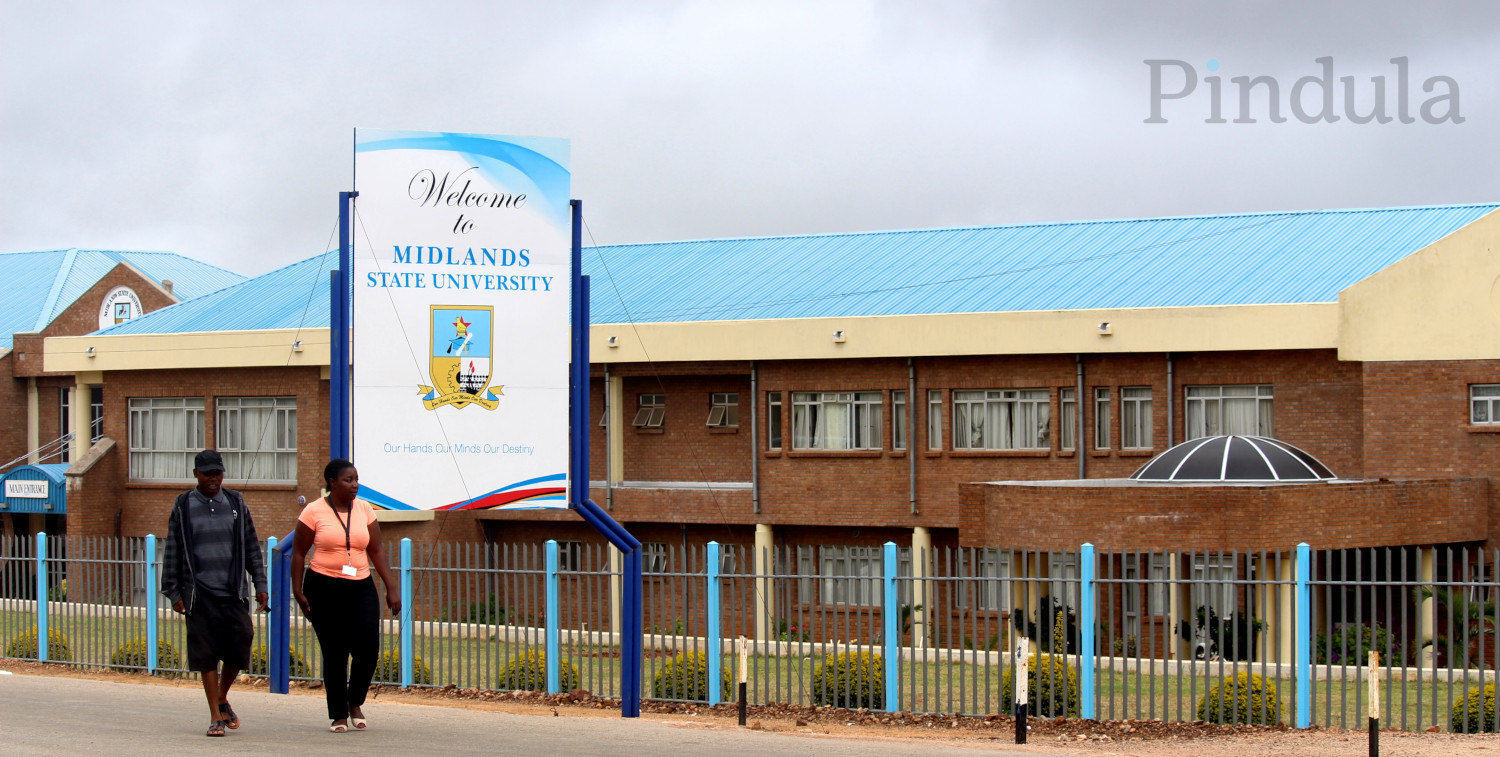


The Zimbabwe National Students’ Union (ZINASU) has called for an immediate end to what it describes as a pattern of abusive and politically motivated suspensions of student leaders at state-run institutions, such as the University of Zimbabwe (UZ), Great Zimbabwe University (GZU), and Midlands State University (MSU).
ZINASU president Emmanuel Sitima, on Thursday, 17 July, said that the union condemned the use of what it termed “archaic legal instruments” such as Ordinance 30 to discipline students who challenge university authorities and call for academic freedom and human rights.
Sitima said while ZINASU welcomed the recent lifting of suspensions against seven student leaders at UZ, the move was not a cause for celebration.
He said those students “should never have been suspended in the first place for standing up for the voice of reason,” and that the university had acted under pressure rather than in a spirit of justice or accountability. Said Sitima:
Beyond lifting the suspensions on the persecuted comrades, the University of Zimbabwe must issue a public apology with immediate effect to accompany the upliftment because every action has a consequence and if not they should understand the idea that for every action there is an opposite and equal react and as a Union we have moved past the comfort zone of turning the other cheek willingly or by force.
ZINASU has long criticised the suspension and expulsion of student leaders as part of a broader crackdown on dissent within higher education.
The union accused university administrators of acting as extensions of state power, using outdated disciplinary codes to silence critical voices.
Sitima warned that continued persecution of student activists could spark wider unrest.
He further called on Vice Chancellors at GZU and MSU to immediately reinstate suspended students and issue formal apologies, saying their actions had not only disrupted academic progress but caused “psychological damage and untold disharmony.”







Leave a Reply Cancel reply