ZimParks Warns Of Acacia Tree Wipeout In Hwange National Park

ZimParks Warns Of Acacia Tree Wipeout In Hwange National Park

Essential Tools

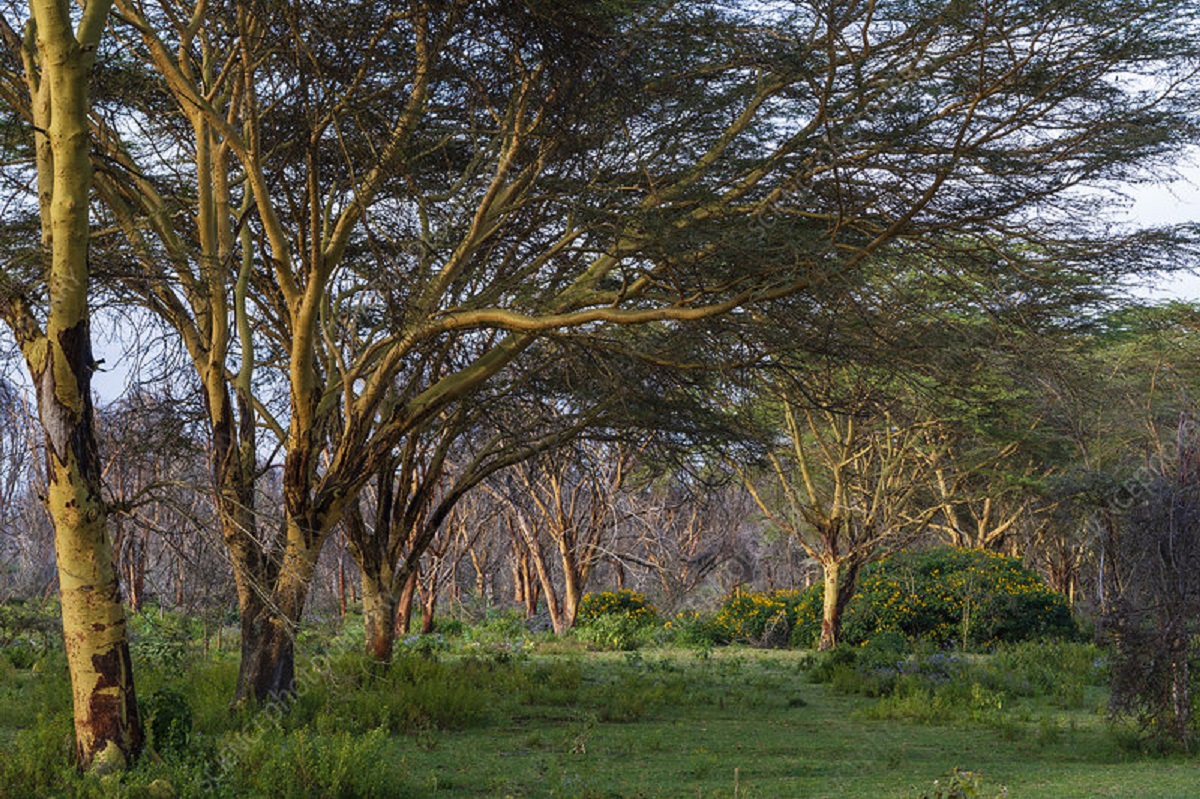
Fears are mounting that the iconic acacia tree may soon face extinction in Hwange National Park, as the remaining trees have been severely depleted by elephants.

An ecological crisis is looming, with acacia trees serving as a critical food source for the park’s elephant population.

Hwange, which was designed to accommodate around 15,000 elephants, is now home to over 45,000 — triple its intended capacity. The overpopulation is placing immense pressure on the park’s ecosystem and biodiversity.

Zimbabwe Parks and Wildlife Management Authority (ZimParks) spokesperson Tinashe Farawo has raised the alarm over the worsening situation. Said Farawo:

We have continued to say that our national park is overpopulated. This is creating problems with elephants almost eating up all the acacia trees. If you look around, there are no new trees shooting up, and the consequence could be even bigger soon.

Environmentalists have warned that without natural regeneration, Hwange National Park’s ecological balance could collapse, resulting in widespread food shortages for wildlife and a sharp rise in human-wildlife conflict.

As food becomes scarce within protected areas, elephants are increasingly straying into nearby human settlements, where they damage crops, destroy infrastructure, and sometimes cause fatal encounters.

Just last month, ZimParks was forced to cull three elephants after a herd entered villages in Bulilima District, Matabeleland South Province, destroying drying crops and threatening local livelihoods.

The elephants, shot by ZimParks rangers on Thursday, 26 June 2025, in Madlambudzi Ward, were identified as the leaders of the herd and had become repeat offenders in the area.

More: ZBC News

Comments

12 responses

  1. Anonymous

    Cull them to the required number, why wait until it’s too late.
    Soon u will be saying they’re dying of hunger

  2. Stephen Palos

    ZimParks has their hands tied by money-grabbing, western, wealthy country based eco-terrorist organisations such as IFAW and Humane Society US who block legitimate trade and management in Africa. These murderous NGOs put animals before people and tell lies to solicit US$Billions from naive urbanite elites

    1. Eugène Lapointe

      Fully agree with you Stephan

  3. Anonymous

    Same thing is happening in Kruger. But unfortunately as usual the apathy of those in charge and anti culling lobbyists prevent any action. It’s becoming an ecological disaster rapidly.

    1. Dina Visser

      I fully agree. It’s criminal not to kull.

  4. Tina-Louise Fernandes

    Why not plant more trees, protected by metal frames whilst still young, instead of saying they are becoming extinct. Maybe the humans encroaching on animal territories should be stopped, instead of thinking of culling innocent creatures.

    1. William Western

      Fantastic suggestions, they’ll really work. Do you get out much, let alone have you visited Africa?

  5. Herman

    It’s truly a huge crisis !!! We as humans has encroached deeper and deeper into wildlife areas, making their space for roaming and migration almost impossible, exactly what has to happen to create a balanced environment !! There are other options than culling !! God has instructed us to rule over the Earth 🌍, and not destroy it !!! This is everyone’s problem & challenges !! Let’s get to work !! Now !!! Herman du Plessis

  6. Anonymous

    distribute them to other national parks,conservancy,sanctuaries then culling can also be an option but after proper distribution

  7. Sabastian Shangwa Mawere

    Tina is very arogant if not ignorant to the fact that animal population increases but land does not. Animals also include humans. Should be asking oneself if his/her agument makes sense in reality.

  8. Andrea

    Which acacia species needs to be regenerated,,,

  9. Dee

    I wonder…How long to grow an acacia to maturity so it can sustainable feed the elephants? 10 years? Might the cause of them not regenerating naturally be the same elephants? Elephants live for 60 -70 years? How fast will this population grow? Slower than the tree regenerating?
    What’s the cost of moving an elephant? Where would they be moving them to? Can National parks afford it? Or any willing buyers across our borders? Apparently Zim has the 2nd largest elephant population in the world.
    Maybe this is a complex problem requiring more than just advocating for “no-culling” while in the middle of a current crisis? Some countries introduced birth control measures on humans to ensure they could for a time manage their overpopulation and live within their means. “Food for thought”

Leave a Reply

Your email address will not be published. Required fields are marked *

Exit mobile version