




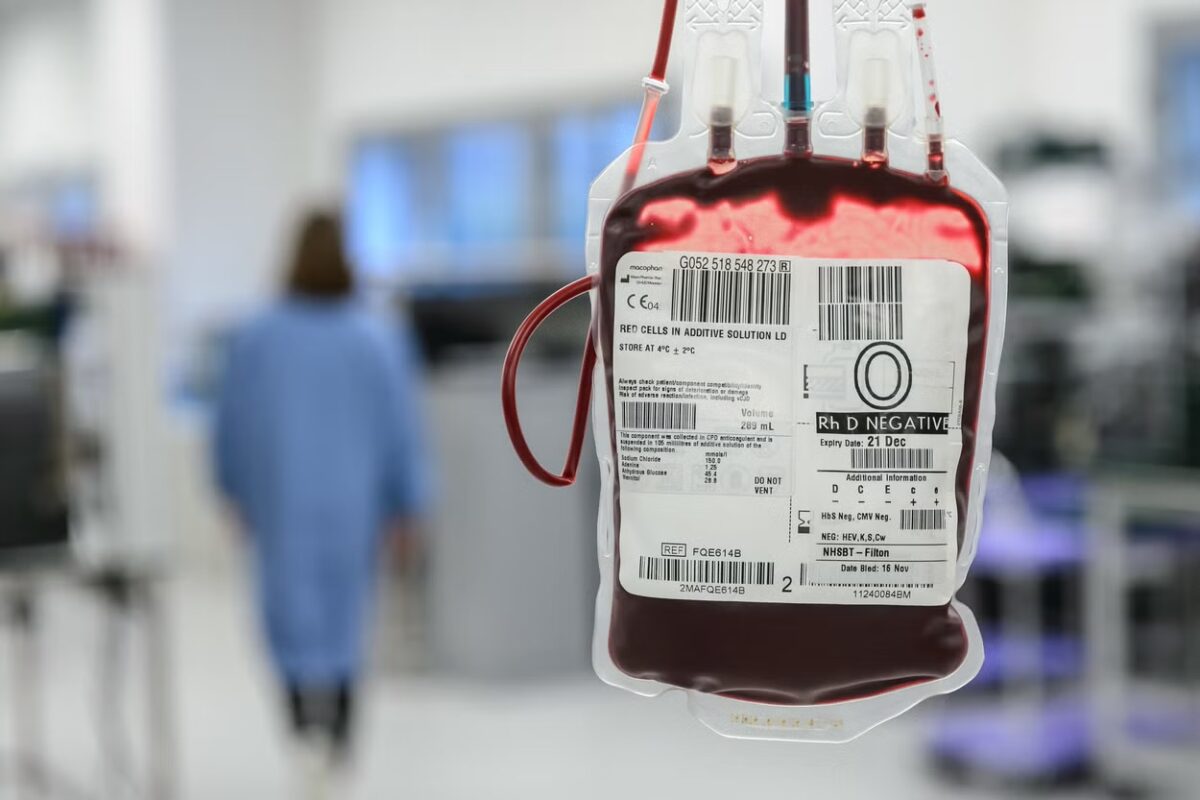


The Ministry of Health and Child Care is set to implement wide-ranging reforms to the national blood supply system in a bid to improve access and affordability, particularly in public hospitals, an official has said.
Speaking to The Herald, Health and Child Care Permanent Secretary, Aspect Maunganidze, reaffirmed the Government’s commitment to ensuring that no patient loses their life due to the inability to afford a unit of blood. He said:
We are seized with the issue of blood availability in our hospitals. There are ongoing consultations to review the operating model of National Blood Service Zimbabwe (NBSZ), with a focus on transparency, affordability and broader stakeholder representation. The ministry is committed to ensuring that blood services operate in the public interest.
Maunganidze said the Government is ramping up public awareness and mobile blood donation campaigns to ensure a steady national blood supply.
In the long term, structural reforms are underway to improve the governance and financing of blood services.
He attributed recurring shortages to seasonal declines in donations, especially during school holidays when students, who form the bulk of donors, are unavailable.
These shortages are further worsened by logistical challenges in the collection, processing, storage, and distribution of blood.
To address this, Maunganidze said mobile blood drives and awareness programmes are being expanded to help maintain adequate reserves throughout the year.
On the issue of affordability, he reiterated that blood is free in public hospitals under a Government-funded coupon system.
Although a pint of blood costs around US$250, the subsidy fully covers this cost. However, patients in private healthcare facilities must pay for blood themselves unless they have medical insurance. Said Maunganidze:
No patient in public hospitals should pay for blood. This subsidy is part of our commitment to universal health access, particularly for patients in critical need.
We are, however, working on reducing the cost of blood so as to ease the burden on the fiscus.
Maunganidze said the Government is strengthening the blood subsidy system while exploring public-private partnerships and donor support to cover the high costs of testing, screening, and processing.
This approach aims to ensure that no patient in public health facilities pays out of pocket for blood, especially during emergencies.
According to Maunganidze, the Ministry is also pursuing long-term structural reforms to improve governance and pricing in Zimbabwe’s blood services.
A key focus is reviewing the operating model of the NBSZ, which is an independent private entity responsible for most blood collection and distribution.
Although NBSZ is not government-owned, the Ministry maintains policy oversight to guarantee ethical, transparent, and patient-centred service delivery.
Maunganidze said consultations are underway to broaden stakeholder representation within NBSZ and align its policies and pricing with national health priorities.
More: The Herald







Leave a Reply Cancel reply