




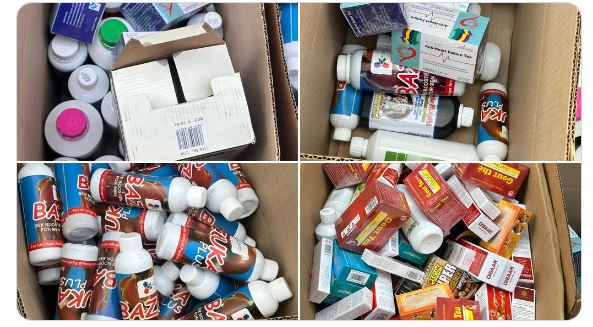


The Medicines Control Authority of Zimbabwe (MCAZ) has engaged content creators and social media influencers amid growing concerns about the promotion of unregistered medicines and misleading medical products on digital platforms, in breach of the Medicines and Allied Substances Control Act.
Speaking during a meeting with content creators in Harare on Wednesday, MCAZ public relations officer Davidson Kaiyo said the authority had deliberately chosen engagement over punitive action to address gaps in knowledge about medicine advertising regulations.
“We noted the proliferation of advertising of medicines by our content creators and realised that, while some of those adverts were contrary to the law, many of the creators were simply unaware of the legal requirements,” said Kaiyo.
“We felt that instead of simply taking enforcement action, it was important to engage them so that they understand the procedures that must be followed before advertising medicines.
“We want to create synergy because content creators are now carrying the voice of the people and are setting the pace in storytelling and content creation.”
Kaiyo said the rapid growth of digital platforms had transformed the way Zimbabweans access health information, making content creators influential voices in shaping public perceptions of medicines and healthcare.
“A single unregulated post promoting a substandard or falsified medicine can reach more Zimbabweans in an hour than a public health warning reaches in a week,” he said.
“That is the responsibility this room carries. MCAZ is not here to police creativity or restrict freedom of expression.
“We are here to build a partnership because compliance and creativity are not opposites. This is about protecting lives.”
Brand influencer Lorraine Guyo admitted that many influencers had been unknowingly breaking the law.
She however appealed to the MCAZ to streamline its approval processes.
“They told us that approval can take up to 60 days, which is quite long for us because we are in business and need to work promptly,” she said.
“It’s also important for MCAZ to increase awareness because not all content creators attended this meeting.”
More: The Herald






Leave a Reply Cancel reply