




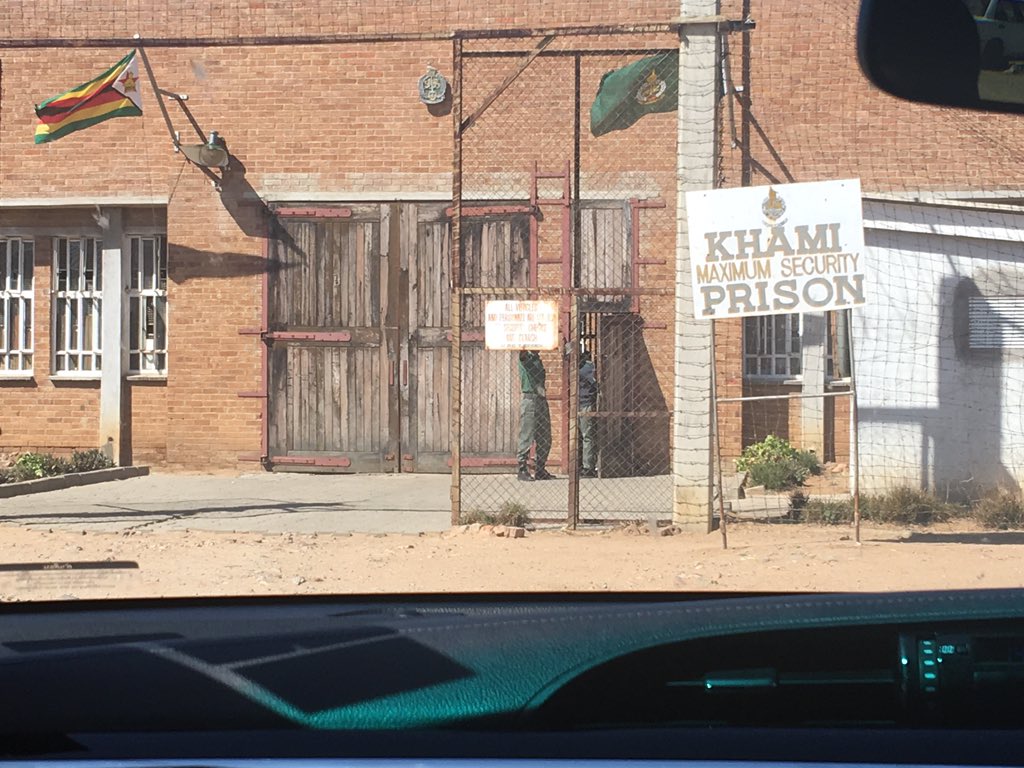


Overcrowding, poor sanitation, inadequate healthcare, and critical shortages of clothing and bedding continue to violate prisoners’ basic human rights in Zimbabwe, according to a new parliamentary report that paints a grim picture of the country’s prison system.
While food and nutrition for inmates have seen some improvements, the report raises serious concerns over prolonged remand periods and inhumane treatment, which it describes as clear violations of human rights and principles of justice.
The Report of the Joint Portfolio Committee on Justice, Legal and Parliamentary Affairs and the Thematic Committee on Human Rights, tabled recently in Parliament, exposes systemic failures within the Zimbabwe Prisons and Correctional Service (ZPCS), leaving many inmates living in appalling conditions.
The Committee adocumented incidents of inhumane treatment during a visit to Harare Remand Prison, where inmates were found sitting on recently ceaned wet floors.
During interactions with Class D inmates, the Committee was informed that some prisoners had been beaten following the escape of two fellow inmates, a practice deemed inconsistent with local and international legal standards.
Most prison facilities across the country are operating far beyond capacity, with some experiencing congestion levels of over 300 per cent.
Gwanda Prison, for example, is holding 210 inmates in a facility built for 60, while Chikurubi Maximum Security Prison houses 2,689 inmates in space designed for 1,114. Other facilities, including Binga and Harare Remand Prisons, report similarly alarming overcrowding.
Overcrowding has created a cascade of problems, including poor ventilation, leaking cells, strained sanitation, limited access to healthcare, and heightened risks of disease outbreaks
While open prisons such as Connemara and Marondera Female Open Prison offer somewhat better conditions, they remain exceptions in an otherwise dire system.
On a positive note, the Committee acknowledged government efforts to improve food security in prisons. Inmates now receive three meals per day, with some facilities incorporating fresh produce from prison farms.
However, concerns remain over early dinner times for prisoners with chronic illnesses, the poor state of cooking facilities, reliance on firewood, and inconsistent water and electricity supplies.
Harare Remand Prison, for example, sometimes goes a week without running water, relying on boreholes that require electricity to function.
The report also highlighted severe shortages in clothing and bedding, with many inmates wearing torn uniforms, lacking shoes, or depending on relatives for basic items.
Female inmates face additional challenges, including shortages of feminine hygiene supplies, warm clothing, and diapers for children. The Committee concluded that these inadequacies constitute a clear violation of inmates’ basic rights.
Healthcare services within ZPCS facilities were described as severely underfunded, with critical shortages of medication and a lack of qualified medical personnel.
Chronic conditions such as hypertension, diabetes, and mental health disorders are particularly affected, with inmates often dependent on relatives for essential medicines.
Bindura Prison, for example, lacks basic clinic infrastructure, including toilets, refrigeration for drugs, and sufficient space.
In many facilities, a single nurse is responsible for hundreds of inmates, correctional officers, and even local community members.
Despite these challenges, the Committee acknowledged ongoing efforts supported by the government and donors, including ARV supply chains and limited mental health counselling services.
More: CITE






Leave a Reply Cancel reply