




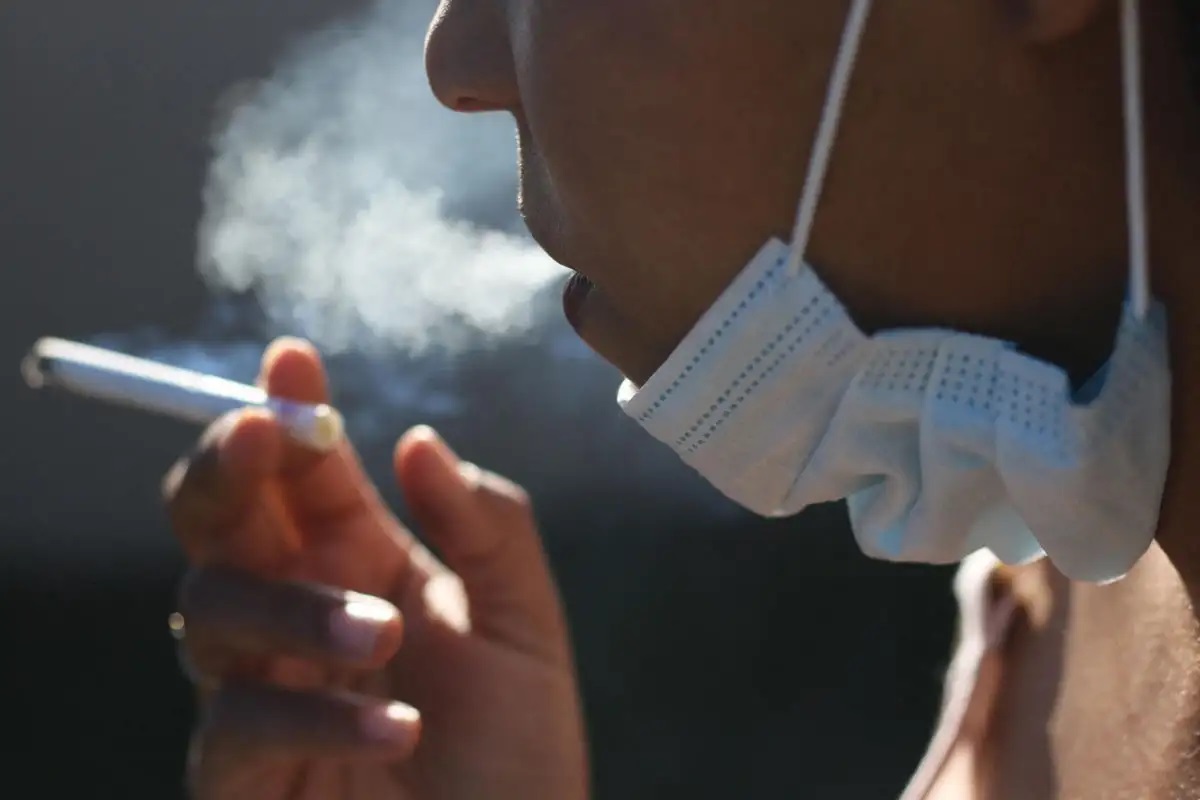


Shamva South MP Joseph Mapiki (ZANU PF) is pushing for a ban on smoking in public places, citing growing concerns over the health risks associated with the habit.
Last Thursday, Mapiki tabled a motion in the National Assembly calling for an amendment to the Public Health (Control of Tobacco) Regulations, Statutory Instrument (SI) 264 of 2002.
If approved, the new law would extend smoking restrictions to high-traffic public areas currently left unregulated, such as bus termini and bustling markets.
Under the existing law, smoking is banned in certain public spaces, including buses, halls, and eating places, but it does not cover open, crowded areas where people frequently gather. Said Mapiki:
“Children and vulnerable populations are particularly at risk, as their developing bodies are more vulnerable to the harmful effects of tobacco smoke.”
Mapiki said countless people continue to light up at bus stops, bustling markets, and crowded city streets, often with no repercussions due to weak enforcement and a lack of accountability.
He argued that the proposed amendment to SI 264 should explicitly target high-traffic public spaces, town centres, bus termini, and busy markets, designating them as no-smoking zones.
Mapiki also warned of the serious health risks posed by passive smoking, stressing that the invisible danger affects everyone in these congested areas, not just the smokers themselves. He said:
“It was noted that exposure to passive smoke, also known as second-hand smoke or environmental tobacco smoke, poses significant health risks to non-smokers.
“When non-smokers breathe in smoke exhaled by smokers or emanating from burning tobacco products, they inhale thousands of chemicals, many of which are toxic and cancer-causing.
“Passive smoking has been linked to an increased risk of developing serious health problems, including lung cancer, heart disease and stroke.
“In adults, passive smoking can cause respiratory problems, including chronic obstructive pulmonary disease and can also increase the risk of breast cancer in non-smoking women.
“Overall, the health risks associated with passive smoking underscore the importance of creating smoke-free environments to protect the health of non-smokers.”
Mapiki warned that without strict laws and firm enforcement, smoking in public spaces will continue to pose a serious threat to public health, leaving countless people exposed to the dangers of passive smoking.
He urged that fines, or even arrests, for those caught lighting up in public could serve as a strong deterrent, ensuring that the majority’s right to clean, smoke-free air is protected. Said the MP:
“Penalties should include fines, with escalating consequences for repeat offenders, potentially including temporary closure of business.”
More: NewsDay







Leave a Reply Cancel reply